
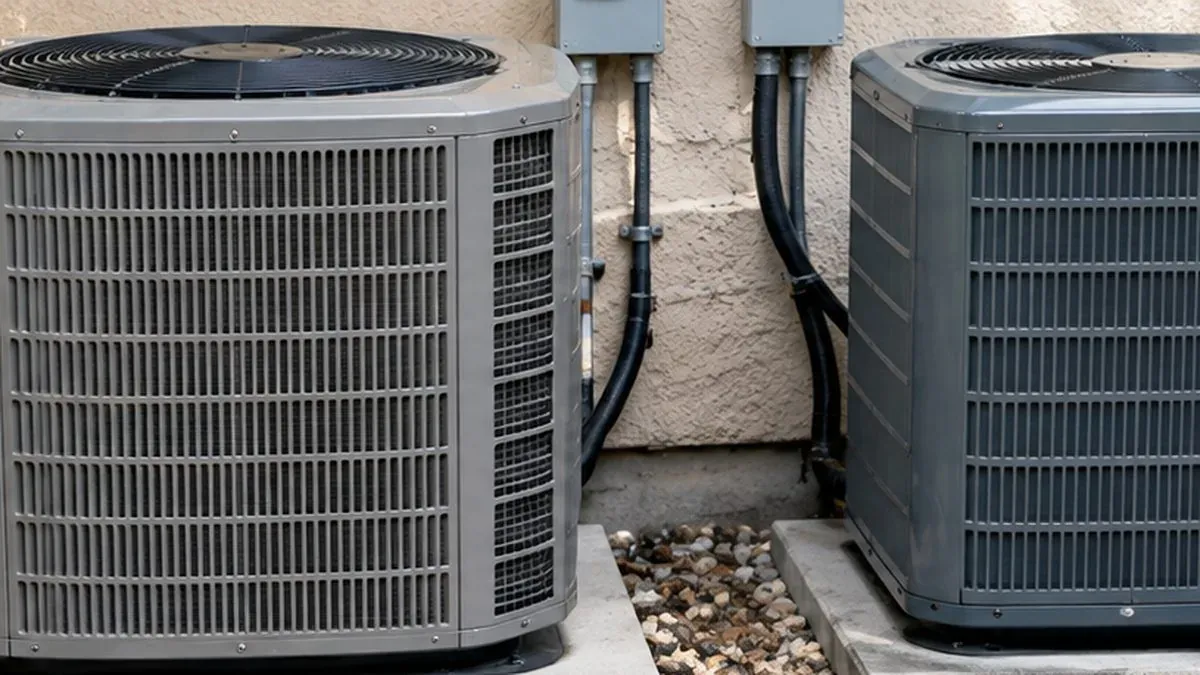
In the heat pump vs. air conditioner question for Texas homes, summer isn’t where the two differ. A heat pump and a central air conditioner with the same efficiency rating cool your house the same way and use about the same amount of electricity doing it. The difference is in winter, because a heat pump can also heat your home, while an air conditioner has to be paired with something else that does.
That means the better choice depends mostly on your current heating setup. For many San Antonio homes, especially ones heated with electric heat strips, a heat pump is the stronger option. For homes with a newer gas furnace, a standard air conditioner can still make sense. Here’s how to think it through before you compare quotes for heat pump installation or a new AC installation.
How They Differ
An air conditioner moves heat out of your house and releases it outside. A heat pump does exactly the same in summer, but it has a reversing valve that lets it run the process backward in winter, pulling heat from the outdoor air and bringing it inside. Even on a chilly day, outdoor air holds usable heat, and moving that heat takes much less electricity than creating it from scratch.
An air conditioner can’t do that, so it’s always paired with a separate heat source. In Texas, that’s usually either a gas furnace or electric heat strips installed in the indoor air handler.
| Heat pump | AC with electric heat strips | AC with gas furnace | |
| Summer cooling | Same as AC at a matching SEER2 rating | Same | Same |
| Winter heating | Moves heat in from outside; backup strips for the coldest nights | All heat made by electric resistance | Heat from burning natural gas |
| Winter running cost | Usually well below strip heat | Highest of the three in most homes | Depends on gas and electric rates |
| Needs a gas line | No | No | Yes |
If Your Home Has Electric Heat Strips
This is where a heat pump makes the clearest case. Electric strips turn electricity directly into heat, one unit of heat for each unit of electricity. A heat pump moving heat in from outdoors can deliver two to three times as much heat for the same electricity in mild weather, which is most of a San Antonio winter.
If you’re replacing an air conditioner that’s paired with heat strips, switching to a heat pump usually costs somewhat more upfront than a cooling-only unit, but it can noticeably lower your winter electric bills. The heat strips don’t go away. They stay in the air handler as backup heat for the coldest nights and for defrost cycles, so the house still has heat when the heat pump needs help.
If Your Home Has a Gas Furnace
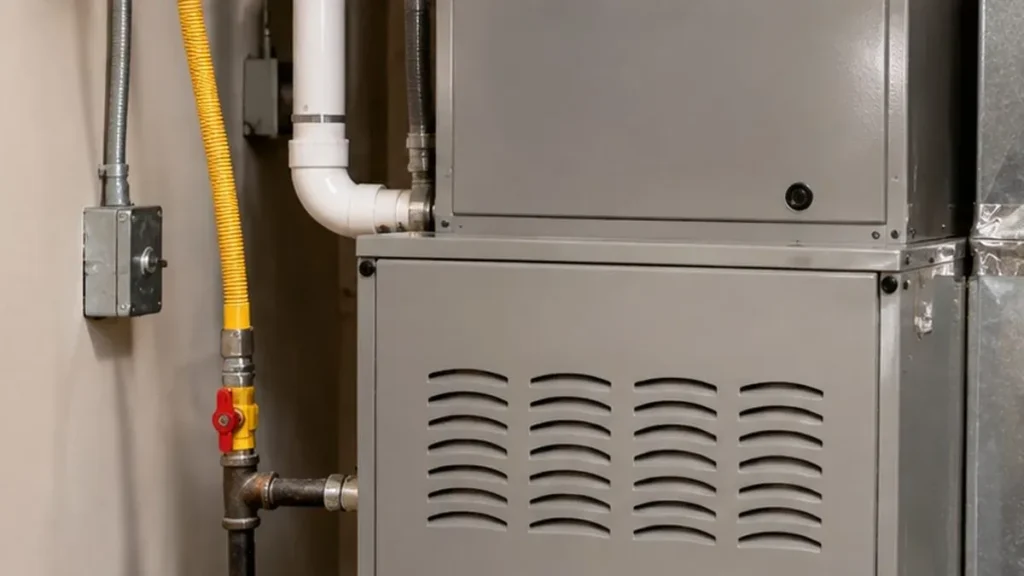
With a gas furnace, the comparison is closer. Gas heat is often cheaper to run than electric strips, so the savings from a heat pump are smaller and depend on local gas and electric rates. If your furnace is fairly new and in good shape, replacing just the air conditioner is usually the simpler and less expensive move.
There’s also a middle option. A dual-fuel system pairs a heat pump with a gas furnace, letting the heat pump handle mild days and switching to gas when it gets cold. It’s worth asking about if your furnace still has years left but your AC needs replacing.
What About Hard Freezes?
The colder it gets outside, the less heat a heat pump can deliver, which is why it relies on backup heat during the rare hard freezes San Antonio sees. That’s worth planning for, but it shouldn’t decide the question on its own. For most of the winter, temperatures here stay in the range where a heat pump works efficiently, and the backup strips cover the few nights when it can’t keep up. What matters is that the backup heat is sized properly and working, which is something to confirm as part of the installation.
Cost and Lifespan
A heat pump typically costs more than a comparable air conditioner because it does more. How much more depends on the equipment, your ductwork and what else needs to change. Since a heat pump runs year-round rather than only in summer, it also puts more hours on its components each year, so regular maintenance matters a little more.
Rebates can help close the gap. CPS Energy has offered rebates for qualifying high-efficiency heat pumps, but amounts and requirements change, so it’s worth confirming the current program before you buy.
Which Is Better for Your Home?
A heat pump is usually the better fit if your home heats with electric strips, if you don’t have gas service, or if you’re replacing both heating and cooling at once. An air conditioner can still be the smarter choice if you have a newer gas furnace you want to keep, or if your budget calls for the lowest upfront cost.
Texas Air Repair is family-owned and has installed and serviced heating and cooling systems around San Antonio since 2010, and we feature Trane and Daikin equipment. Our free estimates look at your current heating, your ductwork, and how you use your system, and the proposal lists the equipment and installation work together in one price. If you’re already holding a quote from another company, we’re also happy to give you a second opinion before you decide.
Call 210-380-8000 or request a free estimate online.