
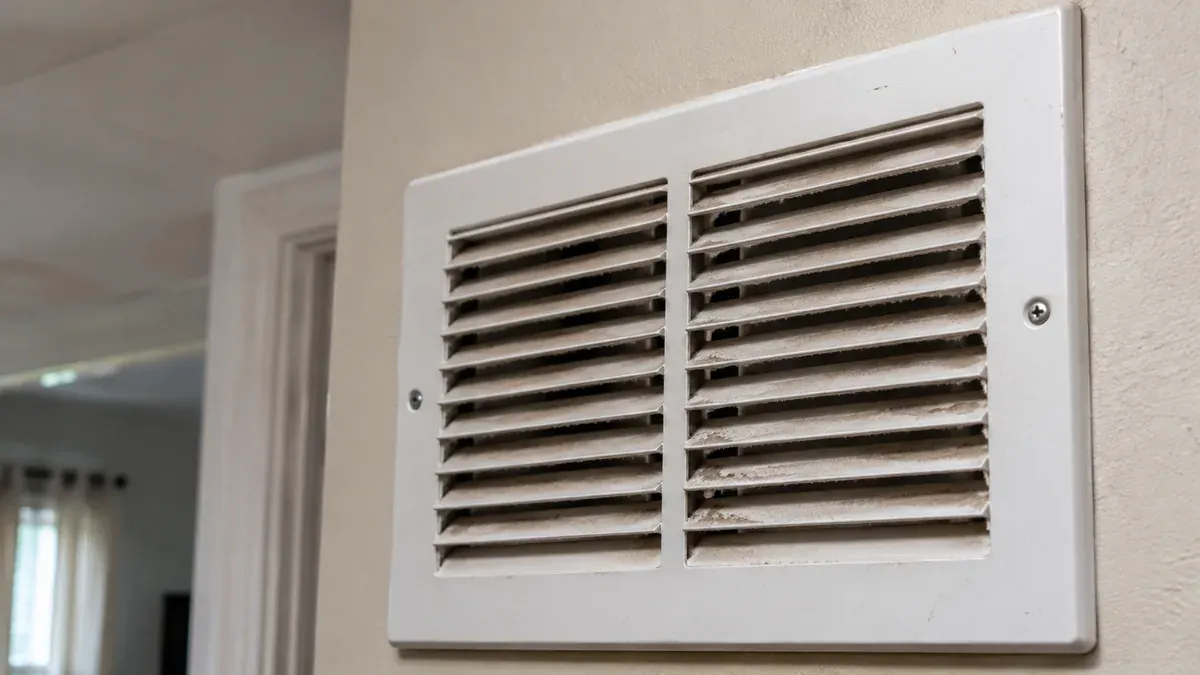
A faint sweet smell from your air conditioner is usually not an emergency, but it’s a reason to look into it rather than wait. The cause can be anything from mildew in the drain pan to a refrigerant problem or overheating electrical parts. The serious causes tend to come with other signs, like weak cooling, ice, hissing, or a burning smell. If you notice any of those, turn the system off and call for service.
Our AC repair team can track down where the smell is coming from, and routine AC maintenance catches the moisture and buildup behind many odors before you can smell them.
Is a Sweet Smell From an AC Dangerous?
It depends on the source, and a smell alone can’t tell you which one you have. Treat it as more than a nuisance if any of these are true:
- The smell is strong, or it keeps getting stronger.
- Anyone in the home has a headache, dizziness, coughing, or eye or throat irritation.
- You hear hissing or bubbling, or see ice on the coil or refrigerant line.
- The house isn’t cooling, or the air from the vents is warm.
- The smell is sharp or like hot plastic, which can mean overheating wiring or a motor.
If so, turn the system off at the thermostat. If there’s any burning smell, turn it off at the breaker too, and open windows to ventilate. Don’t try to add refrigerant or seal a leak yourself. If anyone feels dizzy or short of breath, leave the area and get medical advice. And if the smell is more like rotten eggs, that isn’t your AC. It’s the odorant added to natural gas, so leave the house and call 911 and CPS Energy.
What Causes a Sweet Smell From an Air Conditioner
Refrigerant or Refrigerant Oil
Refrigerant is often blamed for a sweet, chemical smell, but it’s more complicated than that. Refrigerants such as R-410A have no odor of their own, although the oil that circulates with them does smell. A leak can leave a faint sweet or chemical scent, and a smell by itself doesn’t confirm one. What does point to a leak is the company it keeps: weak cooling, warm air, ice on the lines, or a hissing sound. An air conditioner doesn’t use up refrigerant, so if the level is low, there’s a leak, and it needs to be repaired by a certified technician rather than topped off.
Mold, Mildew and Stagnant Water
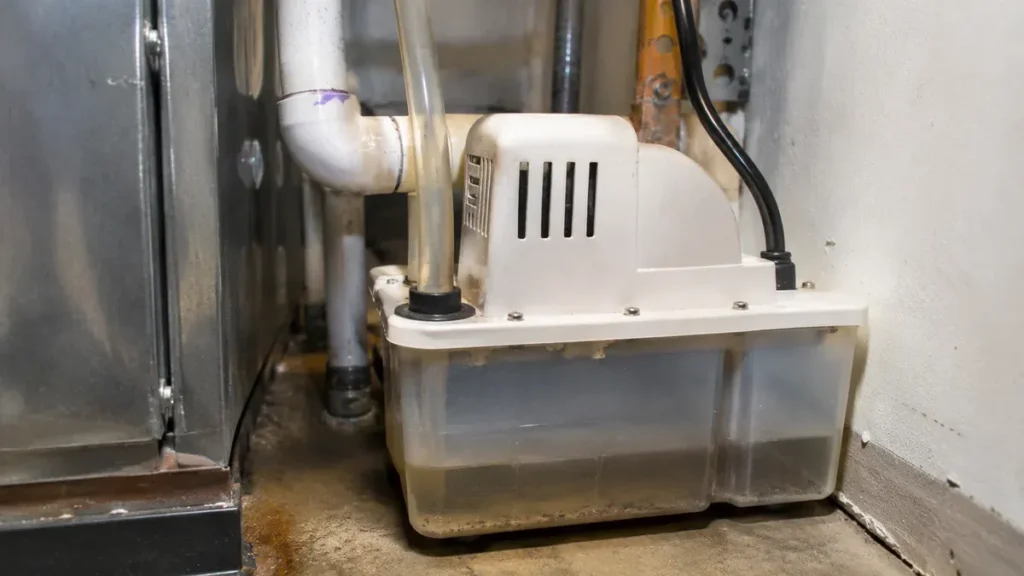
Moisture in the drain pan, on the evaporator coil, or inside the ducts lets mold and mildew grow, and some people describe the smell as musty with a sweet edge. A clogged drain line, a dirty filter, or poor drainage from the coil usually sets it off, and the smell is often strongest when the system first starts. It isn’t an immediate hazard, but it can spread allergens and hurt your indoor air quality. If you think the source is in the ductwork, air duct cleaning may be part of the fix.
Overheating Electrical Parts
Wire insulation or a struggling motor can give off a sweet, chemical, or plastic-like smell before it turns into an obvious burning odor. Treat this as a fire risk. Shut the system off at the breaker and don’t turn it back on until a technician has looked at it.
A Smell That Isn’t Coming From the AC
The system can pick up odors from elsewhere and spread them through the house. Fumes from the garage or attic, residue after a recent service call, and off-gassing from new equipment can all smell sweet or chemical. For solvent-type fumes, our guide to the paint thinner or solvent smell goes through those causes. Antifreeze also smells sweet, but standard air conditioners don’t run on it. If you have a boiler or hydronic heating, or a vehicle parked in the garage, check those as well. A dead animal in the ductwork or attic can also produce a smell people describe as sickly sweet.
What You Can Check Yourself
- Replace the air filter if it’s dirty.
- Look for standing water in the drain pan and clear any blockage you can reach easily.
- Run the fan for a while to help the system dry out.
- Clear leaves and debris from around the outdoor unit.
These steps help with mold and drainage smells. They won’t fix a refrigerant leak or an electrical problem, so if the smell is still there afterward, have it inspected.
Other AC Smells and What They Usually Mean
| Smell | Usual cause | What to do |
|---|---|---|
| Musty or mildew | Mold from moisture in the drain, coil or ducts | Replace the filter and clear the drain. Call if it persists. |
| Stale, like dirty socks | Bacteria on the evaporator coil | Replace the filter and have the coil cleaned. |
| Burning or hot plastic | Overheating motor or wiring | Turn off at the breaker and call. |
| Rotten eggs | Natural gas, not the AC | Leave the house and call 911 and CPS Energy. |
When to Call a Technician
Call if the smell lasts more than a day or two after you’ve changed the filter and checked the drain, or sooner if it comes with any of the warning signs above. A technician can check the refrigerant charge, the drain line and pan, the coil and the electrical connections, and find out which one is behind the smell. If you’re dealing with a burning smell, hissing or no cooling on a hot day, our emergency AC repair service is available.
Texas Air Repair is a locally family-owned HVAC contractor that has served San Antonio and the surrounding communities since 2010. Call 210-380-8000 or book service online and we’ll find out where the smell is coming from.
