
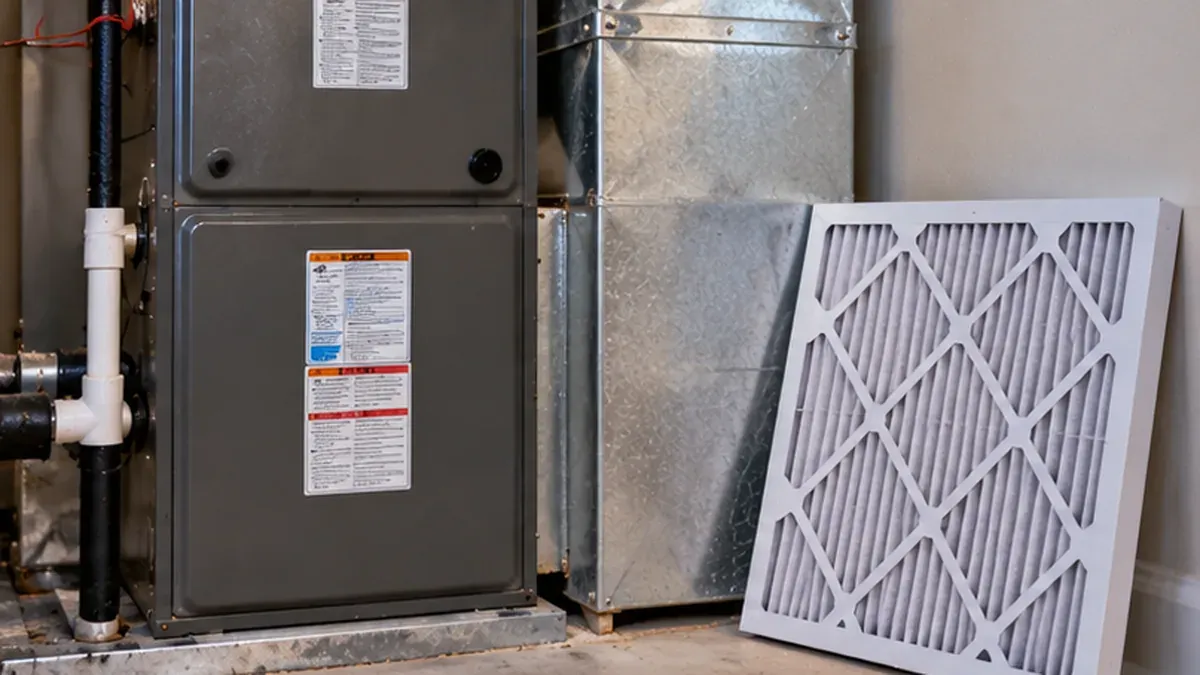
Heating system maintenance in San Antonio looks a little different from what you’ll read in most national guides. Our heating season is short, the AC often keeps running on warm afternoons well into November, and the furnace or heat strips may sit unused for seven or eight months before the first real cold front shows up. That makes fall less about winterizing and more about making sure a system that’s been idle all summer is ready to switch roles.
The checklist below is split into two parts: the things you can take care of yourself in an afternoon, and the things a technician should look at, depending on how your home is heated.
Know What Kind of Heat You Have
Before you start, it helps to know which type of system you’re working with, since the checks differ. Most San Antonio homes heat in one of three ways. A gas furnace burns natural gas and typically has a metal vent pipe running up through the roof. An electric system uses heat strips inside the indoor air handler, usually in the attic, the garage, or an interior closet. A heat pump uses the same outdoor unit that cools the house in summer, running in reverse, often with heat strips inside as backup for the coldest nights.
If you’re not sure, look for a gas line and vent pipe at the indoor unit, or check the model label and your thermostat settings. The thermostat on a heat pump will typically show an “aux” or “emergency heat” option.
What You Can Do Yourself
None of these steps require opening the equipment, and most homeowners can get through all of them in about an hour.
1. Start with a fresh filter
After a long cooling season, the filter has likely been working hard since spring. A clean one at the start of heating season helps the blower move air without straining and keeps dust off the heating elements.
2. Test the heat on a mild day
Don’t wait for the first cold night to find out whether the heat works. Pick a cool afternoon, switch the thermostat to Heat, set it a few degrees above room temperature, and let it run for 15 to 20 minutes. Warm air should reach every room. A faint dusty smell during that first run is normal and clears quickly, but if the heat never comes on, it’s better to schedule heating repair now than after the temperature drops.
3. Look over the thermostat
Replace the batteries if it uses them, and check any schedules you set up for summer. If you have a smart thermostat, make sure it’s set to switch to heating, and decide whether you want it in Auto mode, which can flip between heating and cooling on its own during the in-between weeks.
4. Clear space around the indoor equipment
Closets and attics have a way of filling up, and it’s easy for storage to creep toward the furnace or air handler without anyone noticing. Gas furnaces in particular need open space around them for safe operation and for air to reach the burners, so keep anything flammable well back and leave room for a technician to reach the service panel.
5. Check the vent pipe on a gas furnace
If your furnace is in the attic, take a flashlight and follow the metal flue pipe from the top of the furnace toward the roof. You’re looking for sections that have separated, sagged or rusted through. A loose vent pipe can let exhaust into the attic, so if anything looks off, don’t use the furnace until it’s been checked.
6. Test smoke and carbon monoxide detectors
If you have any gas appliances, carbon monoxide detectors matter most during heating season, since carbon monoxide has no smell. Press the test button on each one and replace the batteries.
7. Keep the outdoor unit clear if you have a heat pump
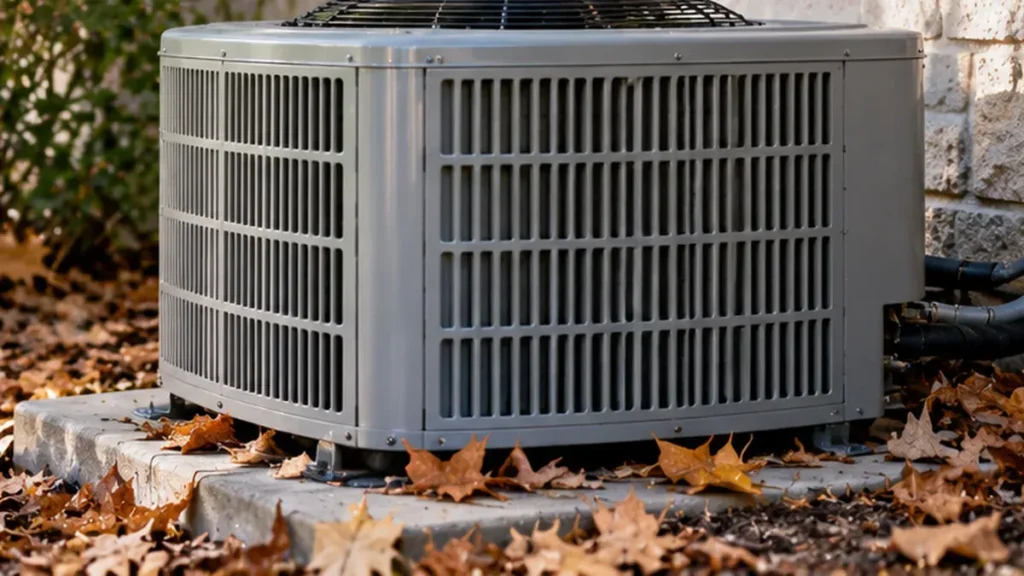
Unlike a straight AC, a heat pump’s outdoor unit keeps working all winter. Fallen leaves and pecan debris collecting around it can restrict airflow, so rake them away and keep a couple of feet clear on every side.
8. Open the vents
If you closed vents in unused rooms over the summer, or rearranged furniture for the holidays, make sure supply vents and return grilles are open and unblocked.
Don’t Forget the Cooling Side
Because the AC in San Antonio can keep running on warm afternoons into November, fall isn’t really the end of cooling season. Even so, it’s a good time to make a note of anything you noticed over the summer, like rooms that never cooled properly, water around the indoor unit, or a system that ran constantly in August, and get those looked at while schedules are lighter. If you’d like to handle that through AC maintenance, we offer a standalone tune-up as well as our Tex Shield plan.
What a Technician Should Check
The steps above catch a lot, but the parts most likely to fail or cause safety problems are inside the cabinet. What a technician looks at depends on your system.
Gas Furnaces
For a gas furnace, the important checks are the ones that affect safety and reliable ignition. That includes inspecting the burners and heat exchanger, cleaning or testing the flame sensor, confirming the ignitor is in good shape, checking gas connections, and making sure the venting is drawing exhaust out of the house the way it should. A flame sensor that’s dirty is one of the most common reasons a furnace lights and then shuts off a few seconds later, and it’s often a quick fix during a visit.
Electric Heat Strips
Electric heat is simpler, but it draws a lot of power. A technician will check the heating elements for breaks or damage, test the sequencers and relays that turn the strips on in stages, and tighten electrical connections, which can loosen and overheat over time. Measuring the current each strip draws shows whether all of them are actually working, which isn’t something you can tell from inside the house.
Heat Pumps
A heat pump has a few extra parts that only matter in winter. The reversing valve, which switches the system between cooling and heating, and the defrost controls, which keep the outdoor coil from icing up on cold mornings, both need to be working correctly. The backup heat strips should also be tested, since they’re what keep the house warm on the coldest nights. The refrigerant charge matters for heating just as much as for cooling, so it’s worth checking on a heat pump before winter.
All Systems
No matter the system type, a technician should check the blower motor, the electrical connections, and the condensate drain. The drain matters more than people expect, because high-efficiency gas furnaces produce water while they heat, and drain lines that worked through the summer can clog. Airflow is also worth measuring, since restricted ductwork affects heating just as much as cooling.
When to Call Instead
Some things you find during this checklist shouldn’t wait for a routine visit. Burners that light and then shut off, a system that keeps cycling on and off, a burning smell that doesn’t fade after the first run, or a damaged vent pipe all call for a repair visit rather than more troubleshooting. A rotten-egg smell near any gas appliance is an emergency, so get everyone outside first, then call 911 and the CPS Energy gas emergency number, 210-353-HELP (4357).
Getting Ready Before the First Cold Front
Our family has run Texas Air Repair out of San Antonio since 2010, and our technicians handle all three kinds of heat described above. Each one holds EPA 608 certification and learns the work in our own shop before taking calls alone. If you’d like a technician to go through your system before it gets cold, call 210-380-8000 and let us know what kind of heat you have. We’ll explain what the visit covers and what it costs before we book it.
If your system is older and you’re weighing a replacement, now is a good time to compare options before the first cold snap leaves you making the decision in a hurry. Estimates are free for new heating installation, including heat pump installation, and you can also request service online.