
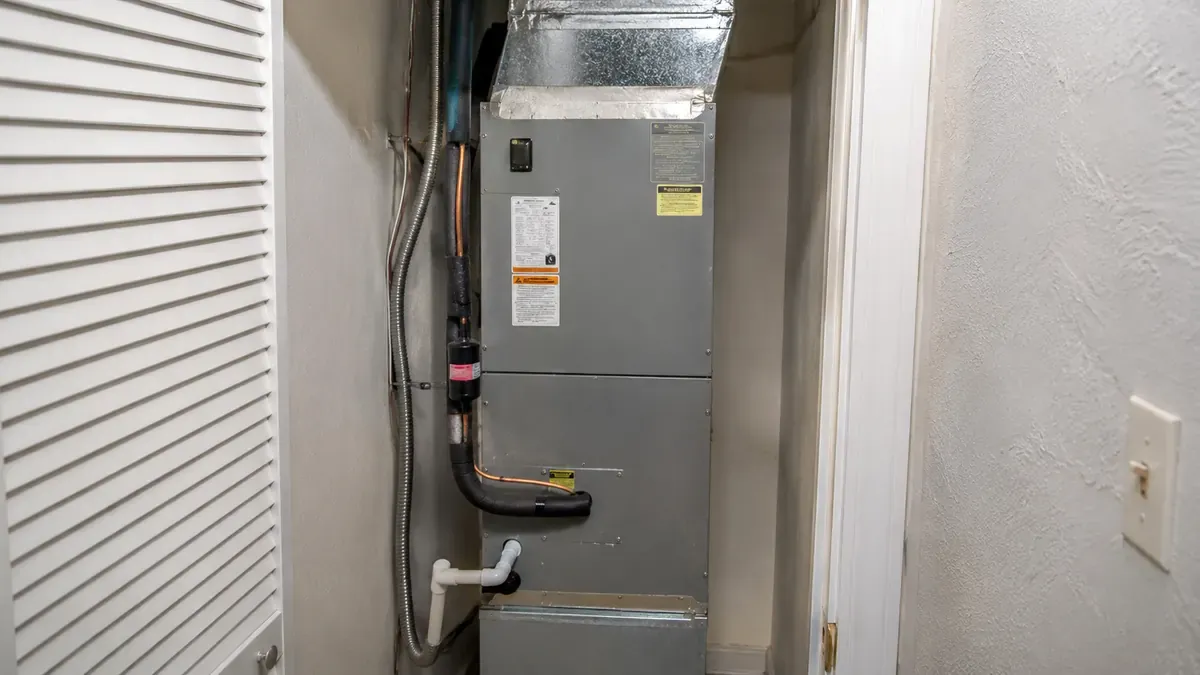
The cost of a new AC unit depends mostly on the size of the system, its efficiency rating, the condition of your ductwork, and how complicated the installation is. Two homes with the same square footage can end up with very different totals, which is why the most reliable number comes from an in-home estimate. Most central AC replacements land somewhere around $7,000 to $13,000 installed, though your quote can fall outside that range.
If you’re weighing a new system now, we offer a free AC replacement estimate where the equipment and installation work are explained together before you approve anything. Here is what moves the price up or down, so you know what you are comparing.
How Much Does a New AC Unit Cost?
Here are typical installed ranges for a central AC replacement, based on national and Texas cost estimates.
| System size | Typical installed range |
| Smaller to mid-size home (2 to 3 ton) | $7,000 to $12,000 |
| Larger home (4 to 5 ton) | $11,000 to $16,000+ |
These are general estimates, not Texas Air Repair quotes. Ductwork repairs, electrical updates, higher-efficiency or variable-speed equipment, and permits can push a total above these ranges, and a smaller, simpler job can come in lower, which is why an in-home estimate matters.
Behind any range, the total is usually made up of three parts: the equipment itself, the installation labor, and any extra work the home needs, such as ductwork, electrical updates, or permits. A quote that separates those lines makes it much easier to see what you are paying for and to compare one contractor against another.
What Drives the Cost to Replace an AC Unit
System size
Residential systems typically run from 2 to 5 tons, and larger homes need larger units. Bigger isn’t automatically better: an oversized unit short-cycles and wears out faster, while an undersized one runs constantly. The size should come from a load calculation of your home, not a guess based on the old unit.
Efficiency rating
Texas requires at least 14.3 SEER2 for most residential split-system air conditioners. Higher ratings cost more upfront, and in San Antonio, where AC runs for much of the year, that extra efficiency can be worthwhile over time.
Stages and humidity control
A single-stage system costs the least to buy. Two-stage and variable-speed systems cost more but control humidity better, which matters during San Antonio’s muggy summers.
Brand and equipment line
Premium lines cost more than builder-grade equipment, and warranty terms often differ between them.
Ductwork
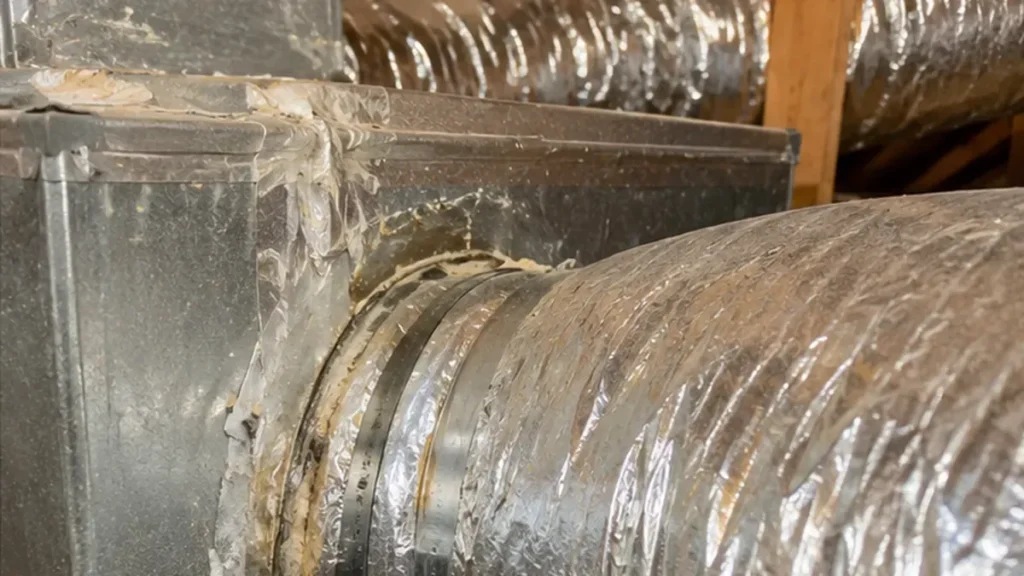
Leaky, damaged, or undersized ducts can keep a new system from performing, so they may need work before or during the install. Depending on the scope, repairing leaky ductwork or replacing it can add significantly to the total.
Installation conditions
Electrical updates, refrigerant line replacement, tight attic or closet access, and permit fees all affect labor and the final total. Add-ons like a new evaporator coil, air handler, or smart thermostat raise it further.
AC or Heat Pump: Which Should You Price?
A heat pump cools like an AC and also heats, so it can replace both pieces of equipment, while an AC is paired with a separate furnace. If you need both replaced anyway, it’s worth asking for pricing both ways. Our heat pump installation page explains how those systems are installed, and our post on heat pump versus furnace covers the heating side in more detail.
Replacement vs. First-Time Installation
Swapping out an existing central system is usually the simpler job. A home with no central air needs ductwork, which is often the largest added piece of the AC installation cost, and some homes without ducts use a ductless system instead. If you’re planning a new AC installation in a home that has never had central cooling, expect the ductwork to be part of the conversation.
Do You Need to Replace the Whole System?
Not always. If your furnace or air handler is newer and compatible, you may only need to replace the outdoor unit and the indoor coil. If the indoor equipment is older, replacing the whole system can be the more cost-effective choice, since mismatched or aging parts can cost you again soon after.
The Refrigerant Change and Your Replacement Decision
Since January 2025, new residential AC systems are built to use R-454B refrigerant instead of R-410A, which can affect equipment pricing. Existing R-410A systems can still be serviced. If your current unit is fairly new and under warranty, repair is often worth considering first. Our guide on how to repair or replace your AC walks through that decision.
Rebates and Incentives
Utility rebates for high-efficiency systems may be available through your electric provider, such as CPS Energy in San Antonio. They often require a matched, certified system installed by a licensed contractor, and the amounts, eligibility rules, and deadlines change. Confirm current terms before you buy, and ask your contractor whether the equipment you’re being quoted qualifies.
The federal 25C tax credit for central air conditioners ended on December 31, 2025, so systems installed in 2026 no longer qualify. Manufacturer promotions come and go, so ask each contractor what is available right now.
What a Good Quote Should Include
- The equipment model numbers and efficiency rating
- The system size and how it was determined
- The full scope of installation work, including any ductwork, electrical work, permits, and removal of the old unit
- Warranty terms for the equipment and for labor
- One complete price in writing
Two or three detailed quotes make it easier to see where the differences come from, and the cheapest one isn’t always the best value if the installation is rushed. A quote that lists only a tonnage and a lump sum, with no model numbers, deserves follow-up questions.
3 Ways to Manage AC Installation and Replacement Cost
- Plan before it fails. Replacing a system before it breaks down gives you time to compare quotes, instead of deciding in the middle of a heat wave.
- Time it for spring or fall. Scheduling outside the hottest months gives you more flexibility and more time to compare.
- Look at financing. Financing is available for qualifying purchases, subject to credit approval and current program terms, so review the rate, term, and total cost carefully. You can see our HVAC financing options before you decide.
Get a Number for Your Home
Your price depends on your home’s size, ductwork, and equipment, so the most reliable number comes from someone looking at the system in person. Texas Air Repair is a locally family-owned HVAC contractor that has served San Antonio and the surrounding communities since 2010. Call 210-380-8000 or request a free estimate, and we’ll walk you through your options.
